At Mid Town Grooming LLC, we take the time to understand your pet's needs before we start — because a relaxed pet and a thorough groom go hand in hand.
From the moment you arrive to pickup, here's how a typical grooming visit at Mid Town Grooming unfolds.
We recommend a short walk and a light meal a few hours before. Bring along any notes about your pet's skin conditions, sensitivities, or areas they prefer we handle gently.
We greet you and your pet calmly — no rushing. Our check-in is relaxed and friendly. We review the services you've booked and confirm any special instructions.
Before we start, we do a quick assessment of your pet's coat condition, skin, ears, and nails. This helps us tailor the grooming approach and flag anything that may need a veterinary follow-up.
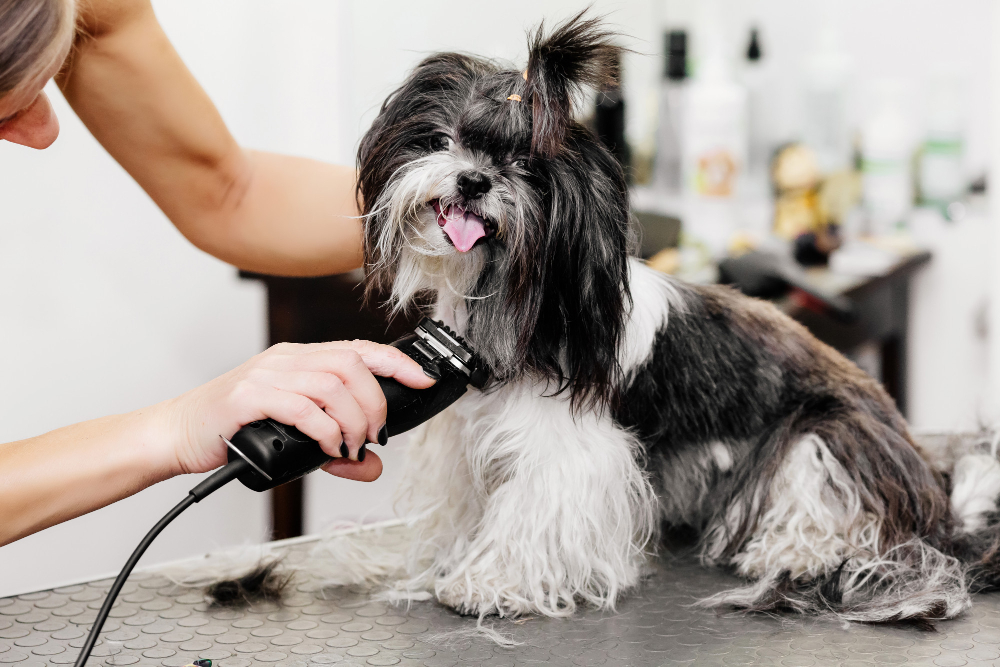
We use shampoos suited to your pet's coat type and any known sensitivities. Bathing, drying, brushing, trimming, nail care, and ear cleaning happen in a calm, unhurried environment.
A final brush-out, coat inspection, and spritz of a pet-safe finishing spray leave your pet looking and smelling their best. We check our work before calling you.
We share any observations from the session — coat health, skin notes, or behavioral observations — so you stay informed about your pet's condition between visits.
Regular professional grooming contributes directly to your pet's comfort, hygiene, and overall wellbeing — beyond just keeping them looking nice.
Regular brushing and bathing remove debris, distribute natural oils, and prevent the matting that can cause skin irritation if left unaddressed.
Bathing removes allergens, bacteria, and environmental residue from the coat — especially important for dogs that spend time outdoors.
Overgrown nails can alter a dog's gait and cause joint discomfort over time. Regular trims keep nails at a healthy length and reduce the risk of painful breaks.
Cleaning the outer ear and removing excess hair from the ear canal helps reduce the risk of moisture buildup that can lead to infections in certain breeds.
A matted or overgrown coat can be uncomfortable. Grooming relieves that physical discomfort and gives your pet more freedom of movement.
Groomers often notice changes in skin, coat, or physical condition that owners might miss. Early observation can prompt timely veterinary attention.
Whether your dog needs a full spa day or your cat just needs a nail trim, we have a service that fits.
Bath, blow-dry, brush-out, haircut, nail trim, ear cleaning, and finishing spray — everything in one appointment.
Learn MoreA gentle first experience designed to help puppies form a positive association with grooming from the very beginning.
Learn MoreA thorough bath, professional blow-dry, and full brush-out to remove loose hair and leave the coat clean and smooth.
Learn MoreTargeted for heavy-shedding breeds, this treatment uses specialized shampoos and tools to reduce shedding significantly.
Learn MorePatient, low-stress grooming for cats including baths, brush-outs, nail trims, and sanitary trims when needed.
Learn MoreOlder pets need extra patience and gentleness. We adjust our approach for seniors who may have mobility limitations or anxiety.
Learn MoreQuick, practical information on common grooming topics — click a category to explore.
Not all dog coats are the same, and understanding your pet's coat helps you maintain it properly between professional appointments.
Nail length gets overlooked by many pet owners, but nails that are too long cause real physical problems. When nails touch the floor, they push back against the nail bed with each step — over time this can affect a dog's posture and joint health.
For most dogs, nails should be trimmed every 3–4 weeks. Dogs that walk regularly on pavement naturally wear down their nails faster; dogs that mostly walk on soft surfaces or grass may need more frequent trims.
If you hear clicking on hard floors, that's a reliable sign the nails need attention. At Mid Town Grooming, nail trimming is included in full-service grooming, or available as a standalone service.
Ear infections are one of the more common health issues in dogs, and breeds with floppy ears or heavy hair growth in the ear canal are particularly prone to them. Regular ear cleaning as part of a grooming routine helps reduce the risk.
Signs that your dog's ears need attention include shaking the head frequently, scratching at the ears, a noticeable odor, or visible redness. These can indicate an infection that should be evaluated by a veterinarian — grooming helps maintain ear hygiene but isn't a substitute for veterinary care when an infection is present.
At each grooming appointment, we clean the outer ear canal with a gentle pet-safe solution and remove any excess hair from the canal opening in breeds where that's appropriate.
Heavy shedding is completely normal for many breeds — especially double-coated dogs like German Shepherds, Labrador Retrievers, and Siberian Huskies. It tends to intensify during seasonal transitions as the undercoat blows out.
Professional de-shedding treatments use high-velocity dryers, specialized shampoos, and undercoat removal tools to remove a significant portion of loose undercoat that brushing alone can't reach. Most clients notice a real reduction in the amount of hair on furniture and clothing after a treatment.
Between appointments, regular brushing (several times per week during heavy shed periods) goes a long way toward managing the volume of hair.
How a puppy experiences their first few grooming sessions can influence their attitude toward grooming for years to come. Early, positive introductions to handling — paws, ears, mouth, coat — make future grooming much easier for everyone.
We recommend bringing puppies in for a brief introductory appointment after their initial vaccinations are complete (typically around 12–16 weeks). The goal of that first visit isn't a complete groom — it's a calm, positive experience that helps your puppy learn that the grooming salon is a safe and comfortable place.
Short sessions, lots of patience, and low-pressure handling all help puppies build confidence with grooming over time.
Our team brings patience, skill, and a genuine love for animals to every appointment.
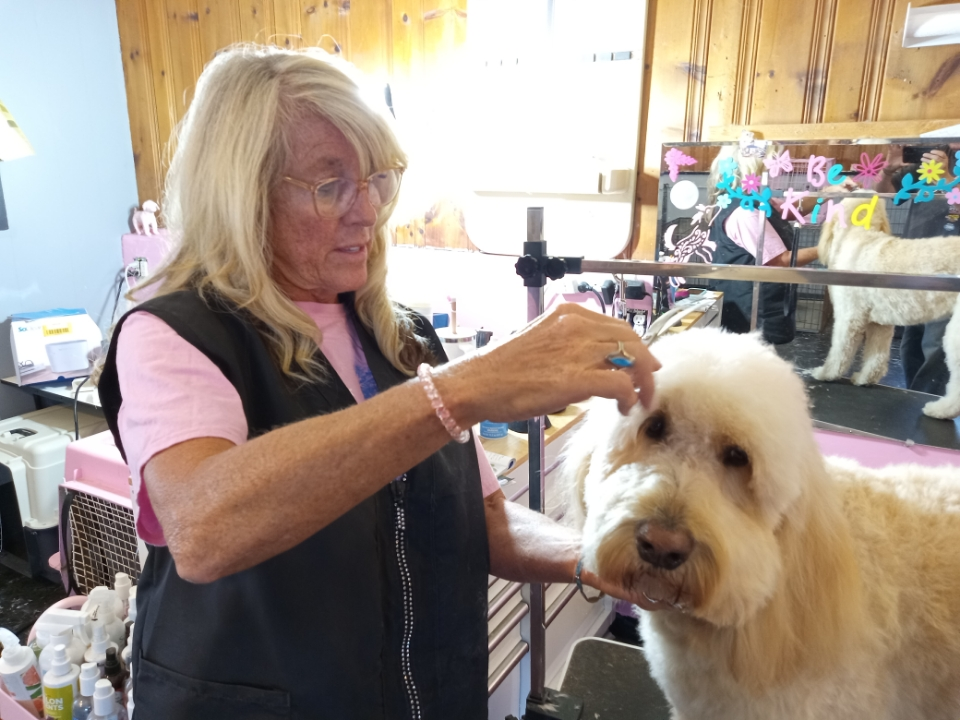
Sarah founded Mid Town Grooming with a focus on stress-free grooming for all temperaments. She has over a decade of hands-on experience with dogs and cats of every coat type.
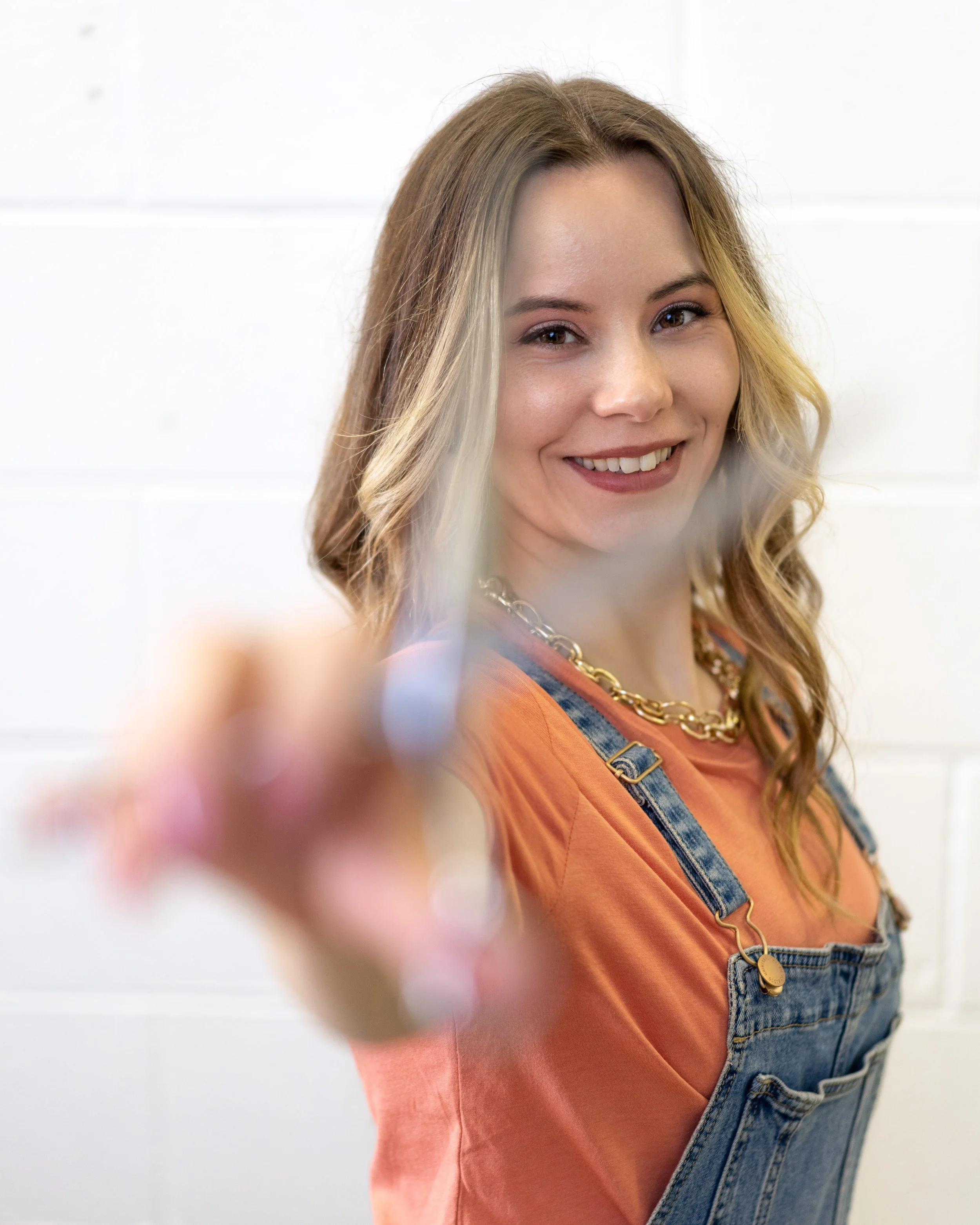
Jamie specializes in double-coated breeds and is especially skilled at managing anxious dogs. Dogs that have had difficult grooming experiences in the past tend to do well with Jamie.
Donna handles bathing and prep, and her calm energy helps nervous pets settle in before the main grooming begins. She has a particular affinity for cats.
Use this calculator to get a general idea of what a grooming appointment might cost. Please note that actual pricing depends on your pet's specific coat condition, behavior, and the services selected. We'll give you a confirmed quote when you book.
Answer five quick questions about your pet and we'll suggest a grooming frequency that tends to work well for dogs and cats with similar traits. This is meant as general guidance — every pet is a little different.
Different coat types need very different care approaches. This short quiz helps you understand what your dog's coat requires — and what you can do between grooming appointments to keep it healthy.
A quick monthly check of these items can help you catch small issues before they become bigger problems. Click each item as you complete it.
Spring is the heaviest shedding period for most double-coated dogs as the winter undercoat begins to blow out. This is the time of year when a professional de-shedding treatment makes the most noticeable difference.
Mud and spring moisture also mean more bathing — pay attention to paw pads and the area between toes, which can harbor debris and bacteria after muddy walks. We recommend a professional bath in early spring to start the season with a clean, healthy coat.
In warm weather, dogs benefit from shorter haircuts (where breed-appropriate) that allow for better air circulation. It's worth noting that double-coated breeds should not be shaved — the double coat actually provides insulation against heat as well as cold.
Summer also means more outdoor activity, which brings in more allergens, pollen, and environmental debris. More frequent bathing during summer months is reasonable for active dogs. Keep an eye on the skin under the coat for any signs of hot spots, which can develop quickly in warm, moist conditions.
Fall is the second major shedding season for many dogs as they transition from summer to winter coat. A thorough de-shedding appointment in early fall helps remove the remaining summer coat and prepares the coat for winter growth.
This is also a good time to schedule a full groom before the holiday season, and to check that your pet's coat is clean and healthy going into the colder months. Dry indoor heat in winter can affect skin moisture, so keeping the coat well-conditioned matters.
Wisconsin winters bring specific challenges for pet coats. Road salt and ice-melting chemicals can irritate paw pads and cause skin reactions. Rinsing or wiping your pet's paws after outdoor walks reduces exposure significantly.
Some owners skip grooming in winter assuming their dog "needs the coat for warmth." In reality, a matted or dirty winter coat actually provides less insulation than a well-maintained one. Keeping up with regular grooming through winter keeps your pet more comfortable, not less. We recommend slightly longer intervals between full haircuts but maintaining regular nail trims and baths year-round.
Filter by size to find grooming considerations for your dog's breed.
Long silky coat; needs professional trimming every 4–6 weeks
Every 4–6 WeeksFine, silky coat that grows continuously; regular trims essential
Every 4–6 WeeksWhite, fine coat that mats easily; daily brushing and monthly grooming
MonthlyDouble coat sheds seasonally; de-shedding and occasional trim
Every 6–8 WeeksWavy coat with feathering; professional grooming every 6–8 weeks
Every 6–8 WeeksShort, smooth coat; low maintenance — bath every 4–6 weeks
Every 4–6 WeeksCurly, non-shedding coat; requires trimming every 4–6 weeks
Every 4–6 WeeksMedium double coat; de-shedding twice yearly, regular brushing
Every 6–8 WeeksDense double coat; seasonal de-shedding, regular bathing
Every 6–8 WeeksHeavy shedder; de-shedding treatments make a real difference
Every 6–8 WeeksShort double coat; sheds a lot — regular de-shedding recommended
Every 6–8 WeeksThick double coat; never shave — professional de-shedding instead
Every 6–8 Weeks"Brought my Schnauzer in last week and she looks fantastic. They nailed the breed-specific cut perfectly."
"The scheduling was easy, the communication was great, and my Labrador came home relaxed and clean. A+."
"My anxious rescue dog does so much better here than anywhere else we've tried. They're really patient."
"Our Maine Coon needed a lion cut and it turned out exactly right. Not easy to groom a big cat, but they handled it."
"Reasonable prices, excellent results, and my dog always seems calm when I pick her up. Consistent every time."
"They caught a small lump on my dog's back during the groom that I hadn't noticed. My vet confirmed it was benign, but I was so glad they mentioned it."
Mid Town Grooming LLC is a small, locally owned business serving pet owners in Marion, Shawano County, and the surrounding communities. We're your neighbors — we see the same pets growing up, get to know your families, and take genuine pride in what we do.
We don't operate a high-volume commercial salon. Each appointment gets individual attention, and we keep our schedule manageable so every pet receives the time they need. If you have questions before booking, you're welcome to call or stop by.
Practical grooming and care information written for everyday pet owners.
Understanding what to look for and how to maintain your pet's coat, nails, and skin between professional appointments.
Read Article
A breed-by-breed look at grooming frequency recommendations — and why coat type matters more than size.
Read Article
How professional grooming fits into your pet's overall health routine — and what groomers can and can't do.
Read Article