- What Professional Grooming Actually Involves
- The Connection Between Grooming and Skin & Coat Health
- How Groomers Help Spot Health Concerns Early
- Handling and Stress Reduction During Grooming
- Professional Grooming for Cats
- Grooming Considerations for Senior Pets
- Keeping Up at Home Between Appointments
- What to Look for When Choosing a Groomer
- Frequently Asked Questions
What Professional Grooming Actually Involves
A lot of pet owners associate professional grooming with one thing: a haircut. And while trimming and styling is certainly part of the picture, what happens during a full grooming appointment is considerably more thorough than most people realize.
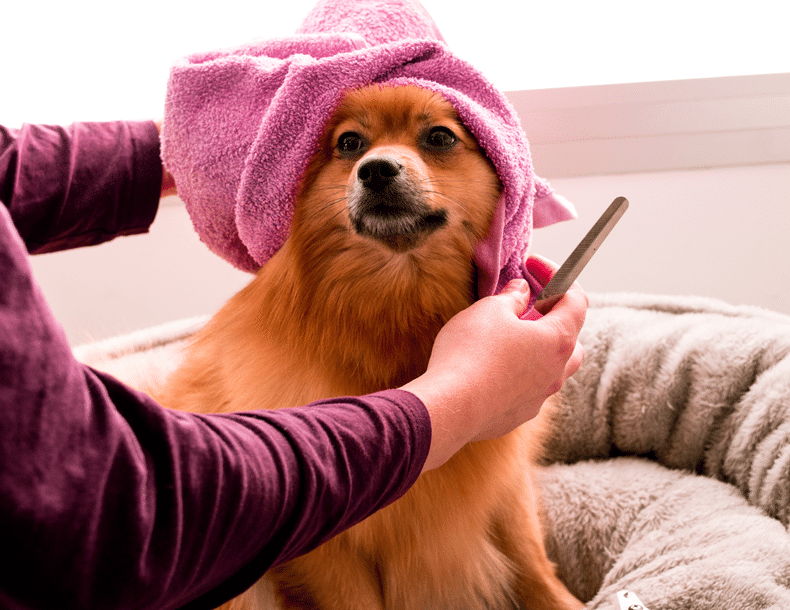
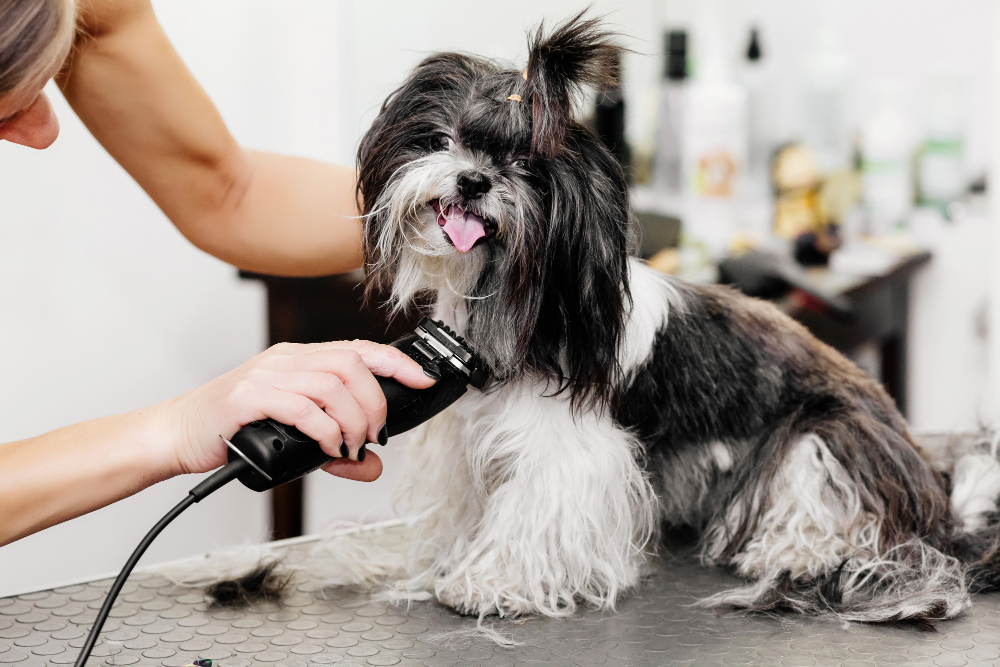
A professional groomer doesn't just clean and cut. They work through the entire animal — inspecting the skin, cleaning the ears, trimming nails, brushing out mats, clearing debris from the coat, and finishing with styling or a breed-appropriate clip. Each step serves a purpose, and together they form a complete assessment of the animal's physical condition.
At Mid Town Grooming LLC in Marion, Wisconsin, our appointments follow a consistent process: we begin with an intake conversation with the pet's owner, then move through bathing, drying, brushing, ear care, nail trimming, and finishing. Throughout that process, we're also paying attention to how the animal is feeling — watching for signs of discomfort, skin irritation, or anything out of the ordinary that the owner might want to know about.
Understanding what goes into a professional grooming session can help pet owners make more informed decisions about scheduling, ask better questions, and set realistic expectations for what their pet will experience.
The Connection Between Grooming and Skin & Coat Health
The coat is one of the most visible indicators of a pet's overall health. A dull, brittle, or matted coat often reflects an underlying issue — nutritional deficiencies, parasites, allergies, hormonal imbalances, or simply infrequent grooming. Conversely, a well-maintained coat is a reliable sign that an animal is being cared for properly.
Professional grooming supports coat health in several specific ways:
Removing Dead Coat and Debris
All dogs shed, but some shed far more than others. Double-coated breeds like Huskies, Golden Retrievers, and German Shepherds go through seasonal "blowouts" during which they shed enormous amounts of undercoat. If that dead fur isn't brushed out and removed, it compacts against the skin, trapping heat and reducing airflow. This creates an environment where bacterial or fungal issues can develop, and it's also genuinely uncomfortable for the dog.
Bathing and thorough brushing during a professional appointment removes far more dead coat than most home brushing sessions, which makes a real difference during heavy shedding periods.
Supporting Natural Oil Distribution
The skin produces sebum — a natural oil that conditions the coat from the root outward. Brushing distributes this oil along the length of each hair shaft, which is part of why regular brushing leaves the coat looking shinier. Professional grooming, combined with appropriate shampoo products, helps maintain this natural balance without stripping the coat or over-drying the skin.
Identifying Skin Problems Before They Worsen
Hotspots, rashes, dryness, scaling, and early signs of infection are often hidden beneath a thick coat and may go undetected by an owner who only sees the surface. A groomer washing and brushing through the entire coat has an opportunity to notice these things early, when they're typically easier and less expensive to address.
Mat Prevention and Removal
Matting is one of the most common and preventable problems in long-coated breeds. Mats form when loose hair becomes tangled and compresses with friction and moisture over time. Left alone, mats can pull tightly against the skin, restrict movement, and create painful sores that the owner may not see until the situation is severe.
Regular professional grooming, especially for dogs like Poodles, Shih Tzus, Maltese, Bichons, and Doodle crosses, prevents serious matting from developing. When mats are already present, an experienced groomer can assess whether dematting is possible or whether a closer clip is the more humane option.
How Groomers Help Spot Health Concerns Early
Groomers aren't veterinarians, and they don't diagnose conditions. But because they handle an animal completely — running their hands through the coat, checking the ears, trimming around the paws and face, and examining the skin — they often notice things that owners miss during routine petting or playtime.
Lumps and Skin Changes
While bathing or brushing, a groomer may notice a new lump, cyst, or skin change that wasn't present at the last visit. These findings aren't causes for immediate alarm, but they're worth passing along to the owner so they can mention it to their veterinarian at the next checkup — or sooner if it seems to be growing or the pet is bothered by it.
Ear Issues
The ears are a common source of recurring problems in dogs, particularly in breeds with floppy ears like Cocker Spaniels, Basset Hounds, and Labrador Retrievers. Excess moisture and limited airflow create favorable conditions for yeast and bacterial infections. A groomer cleaning the outer ear during an appointment will often notice early signs of redness, discharge, or odor, and can alert the owner before an infection becomes painful and complicated.
Dental Observation
Grooming appointments that include facial trimming and finishing work around the muzzle sometimes reveal dental concerns — broken teeth, gum inflammation, or buildup that may have been overlooked. Again, this isn't a diagnosis, but it's a useful prompt for the owner to schedule a dental exam with their vet.
Nail and Paw Concerns
Overgrown nails are more problematic than many people realize. When nails grow too long, they alter the way the foot contacts the ground, which changes posture and can contribute to joint strain over time. During nail trims, a groomer may also notice cracked pads, swelling between the toes, or debris lodged in the paw — all things worth the owner's attention.

Handling and Stress Reduction During Grooming
One of the most significant factors in how a pet experiences grooming is simply how they're handled. An animal that has been rushed, restrained forcefully, or exposed to excessive noise and stimulation will carry that experience into future appointments. Over time, this can make grooming increasingly difficult — not because of anything inherently wrong with the animal, but because of learned fear.
Professional groomers who work with animals regularly develop an awareness of stress signals that owners may not recognize. Yawning, lip-licking, whale eye (showing whites of the eyes), stiff body posture, panting without physical exertion, and tucked tail are all ways animals communicate discomfort. A groomer who reads these signals can adjust their approach, take a short break, modify the environment, or work more slowly to let the animal settle.
The Importance of Puppy Introductions
Early grooming experiences matter more than most people expect. Puppies that are introduced to grooming in a calm, positive way — with lots of short sessions, gentle handling, and no forced restraint — typically become adult dogs that tolerate or even enjoy the process. Puppies that are rushed or handled poorly in their first appointments often develop lasting reluctance.
This is why we offer introductory grooming sessions for puppies at Mid Town Grooming. The goal isn't a finished haircut — it's familiarization. We introduce the puppy to the sounds of clippers and dryers, the feel of a brush and bath, and the experience of standing on a grooming table, all at a pace that keeps them comfortable throughout.
Safe Handling for Anxious Pets
Some adult dogs and cats arrive at grooming appointments in an already-anxious state. Experience doesn't always help with this — some animals simply find the environment stressful regardless of how many times they've been. A professional groomer's job is to work through the appointment safely and efficiently, minimizing the duration of stress rather than trying to eliminate it entirely.
If a pet is consistently very difficult to groom safely, that's a conversation worth having with a veterinarian. Some animals benefit from anti-anxiety support before appointments, and a vet is the right person to evaluate whether that's appropriate.
Professional Grooming for Cats
Cat grooming is underutilized. Most cat owners assume their pets handle all grooming needs themselves through self-grooming, and for short-haired cats with healthy coats, this is largely true. But medium and long-haired cats — Persians, Maine Coons, Ragdolls, Siberians, and many domestic long-hairs — require far more coat management than they can provide on their own.
Hairballs and Coat Ingestion
Cats groom themselves by licking, which means they ingest a significant amount of loose hair. For cats that shed heavily or have long coats, this contributes to frequent hairball formation. Regular professional grooming — including de-shedding treatments and thorough brushing — reduces the volume of loose hair in the coat and, consequently, how much the cat swallows. This is a practical health benefit that often gets overlooked.
Mat Management in Long-Haired Cats
Long-haired cats mat quickly, particularly around the armpits, behind the ears, under the collar, and at the base of the tail. Unlike dogs, cats cannot tolerate lengthy dematting sessions — their skin is thinner and more sensitive, and their tolerance for handling is generally lower. Professional groomers familiar with cat handling know how to work quickly, safely, and with minimal stress.
In severe matting cases, a "lion cut" — shaving the body coat short while leaving the head, legs, and tail plumed — may be the most humane option. It eliminates existing mats and gives the coat a fresh start. Many owners are surprised to find their cat is considerably more comfortable and active after this type of grooming.
Nail Trims for Indoor Cats
Indoor cats don't wear down their nails on rough surfaces the way outdoor cats do. As a result, their nails grow long quickly, and overgrown cat nails have a tendency to curl and grow into the paw pad — a painful condition that's easily preventable with regular trimming. Professional nail trims for cats are brief, but they matter.
Grooming Considerations for Senior Pets
Older animals have specific grooming needs that differ from those of younger, healthier pets. Arthritis, reduced mobility, sensitive skin, cognitive changes, and lower stamina all affect how a senior dog or cat experiences a grooming appointment.
Physical Comfort
Arthritis is common in older dogs and cats, and the positions required during grooming — standing for extended periods, having limbs extended for nail trims, leaning or twisting — can be uncomfortable or even painful for animals with joint issues. A groomer experienced with senior pets works with these limitations in mind, adjusting positioning, supporting the animal more completely, and taking breaks as needed.
Skin Changes
Older animals often develop skin that is thinner, drier, or more prone to irritation. Their coats may become coarser, thinner, or grow more slowly. A groomer familiar with these changes can select appropriate products — lighter shampoos, conditioning treatments, or hypoallergenic formulas — and adjust techniques accordingly.
Shorter Appointments When Possible
Senior pets often tire more quickly and may reach their tolerance limit sooner than a younger animal would. Where possible, keeping appointments efficient and unhurried — without rushing in a way that becomes stressful — is the right approach. Some owners of very elderly or medically fragile pets find that splitting grooming tasks across multiple shorter visits works better than one comprehensive session.
We discuss these considerations at our intake appointments and always ask about any known health conditions or recent veterinary visits when working with an older pet for the first time.
Keeping Up at Home Between Appointments
Professional grooming is most effective when it's supported by consistent home care between visits. The two approaches complement each other — regular brushing at home extends the condition of the coat, reduces shedding in the house, and keeps your pet comfortable until their next appointment.
Brushing Frequency
How often you need to brush at home depends heavily on your pet's coat type. Short, smooth coats (Beagles, Boxers, Greyhounds) need only occasional brushing — weekly is usually sufficient. Medium-length coats (Labrador Retrievers, Spaniels, Border Collies) benefit from brushing a few times per week. Long, continuously growing coats (Poodles, Doodles, Shih Tzus, Maltese) ideally get daily brushing to prevent matting between grooming appointments.
Using the right tool matters as much as frequency. A slicker brush is appropriate for most coat types, while a de-shedding tool is helpful for heavy shedders. Combs help check for mats in long coats after brushing.
Ear Checks
Between professional cleanings, it's worth checking your dog's ears periodically — especially if your dog swims, has floppy ears, or has a history of ear infections. Look for excessive wax buildup, redness, or unusual odor. Cleaning the outer ear with a vet-approved ear cleaner can help maintain ear health between grooming visits.
Tooth Brushing
Dental disease is one of the most prevalent health conditions in dogs and cats, and regular tooth brushing is the most effective prevention. Even a few brushings per week, using pet-safe toothpaste and an appropriately sized brush, makes a meaningful difference in tartar buildup and gum health over time.
Paw and Nail Awareness
Make it a habit to look at your pet's paws regularly — checking between the toes for debris, examining the pads for cracks or dryness, and monitoring nail length. If you can hear your pet's nails clicking on hard floors, they're due for a trim. Most dogs need nail trims every four to six weeks; some grow faster and need more frequent attention.
What to Look for When Choosing a Groomer
Choosing someone to handle your pet involves more than picking a convenient location. The person you're trusting with your dog or cat will be handling them unsupervised, working around their face and ears with sharp tools, and managing whatever behavior comes up. It's worth evaluating a few things carefully before committing.
Transparency About Methods
A groomer who is comfortable explaining their process — what tools they use, how they handle anxious dogs, how they manage drying, what happens if an animal becomes too stressed to continue — is one who has nothing to hide. Ask questions. A good groomer welcomes them.
Willingness to Discuss Your Pet's Specific Needs
Every pet is different, and a groomer who asks about your pet's history, temperament, known sensitivities, and past grooming experiences is doing the job right. Generic, one-size-fits-all approaches work adequately for uncomplicated appointments but fall short when a pet has specific needs.
Clean, Organized Facility
The physical environment tells you something about how a grooming business operates. A clean facility with well-maintained equipment, appropriate ventilation, and a calm (not chaotic) atmosphere is a reasonable baseline to expect. If you're allowed to view the space, take a look.
Communication After the Appointment
Good groomers communicate. If something came up during the appointment — a mat that required closer clipping than expected, an ear that looked a bit red, a lump that wasn't there last time — they tell you about it. This kind of communication is part of the service.
If you're in the Marion, Wisconsin area and looking for a groomer your pet can get comfortable with over time, we'd be glad to introduce ourselves. Learn more about our team and approach on the About Us page, or reach out through our contact page with any questions.
Frequently Asked Questions
For short-coated, low-maintenance breeds, home brushing and occasional baths can be sufficient between less frequent professional visits. However, most dogs benefit from professional grooming at least every 6–8 weeks, and breeds with continuously growing coats typically need it every 4–6 weeks. Professional grooming provides thorough cleaning, nail trimming, ear cleaning, and coat assessment that's difficult to replicate fully at home.
Anxiety in grooming situations is common and often manageable with the right approach. Start by discussing your dog's anxiety with your groomer — they may be able to adjust their handling, work more slowly, or schedule your pet during quieter times. Desensitization at home (handling paws, ears, and muzzle regularly in a positive context) can also help over time. If anxiety is severe, a conversation with your veterinarian about whether anti-anxiety support is appropriate before appointments is worthwhile.
Professional groomers typically have access to a range of shampoos and conditioning products, including options formulated for sensitive or allergy-prone skin. If your pet has a known sensitivity or allergy, mention it when booking and again at drop-off. Many pets with skin conditions do well with hypoallergenic, fragrance-free formulas. If your pet has active skin disease, check with your veterinarian before grooming appointments.
Short-haired cats are generally low-maintenance and may only need a professional groom once or twice a year — mainly for nail trims and de-shedding. Long-haired cats benefit from professional grooming every 6–8 weeks to prevent matting, manage shedding, and maintain overall coat health. Senior cats or those with mobility limitations that make self-grooming difficult may need more frequent attention.
Take the observation seriously and follow up with your veterinarian, especially if the groomer noticed a new lump, skin change, ear irritation, or anything the pet seemed uncomfortable about. Groomers can't diagnose conditions, but their observations are often valuable precisely because they see the whole animal carefully and regularly. Most findings during grooming turn out to be minor, but it's always better to have a vet confirm that than to ignore it.
For most dogs, professional grooming has genuine health relevance — not just cosmetic value. Nail overgrowth affects posture and joints. Mats cause skin damage and discomfort. Ear buildup contributes to infections. De-shedding reduces heat retention in the coat. Skin and coat inspection catches problems early. The cosmetic aspect is a byproduct of care that has practical physical benefits. The frequency and nature of that care depends on the individual dog, but for most, grooming is a legitimate component of routine wellness.
Questions About Your Pet's Grooming Needs?
We're happy to talk through what makes sense for your specific pet — breed, coat type, age, and temperament all factor in. Reach out to our team in Marion, WI.