Table of Contents
One of the most common questions grooming clients ask — often when first calling to book — is how often their dog should actually come in. The answer varies more than most people expect, and it has almost nothing to do with size and almost everything to do with coat type.
A Chihuahua and a Maltese are both small dogs, but one needs grooming every four to six weeks and the other can go months without a formal appointment. A Golden Retriever and a Poodle are both medium to large dogs that many people think of as similar in grooming need — they're not. Understanding your specific dog's coat is the starting point for building a realistic grooming schedule.
Understanding Coat Types
Dog coats fall into several broad categories, each with different characteristics and maintenance needs. The categories aren't always perfectly distinct — mixed breeds in particular can have coats that combine features in unpredictable ways — but they provide a useful framework.
Short, smooth coats lie flat against the body with minimal texture. Think Beagles, Boxers, Dachshunds (smooth variety), and Labrador Retrievers. These coats shed but don't mat.
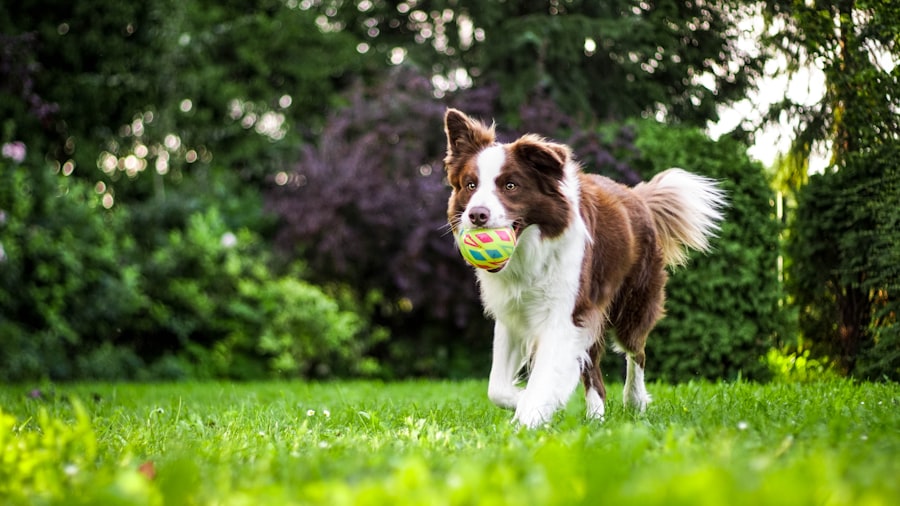
Double coats have a dense, insulating undercoat beneath a longer outer coat. Many working and herding breeds fall into this category — German Shepherds, Huskies, Border Collies, Golden Retrievers, and Australian Shepherds. These coats shed significantly, particularly twice a year during seasonal coat changes.
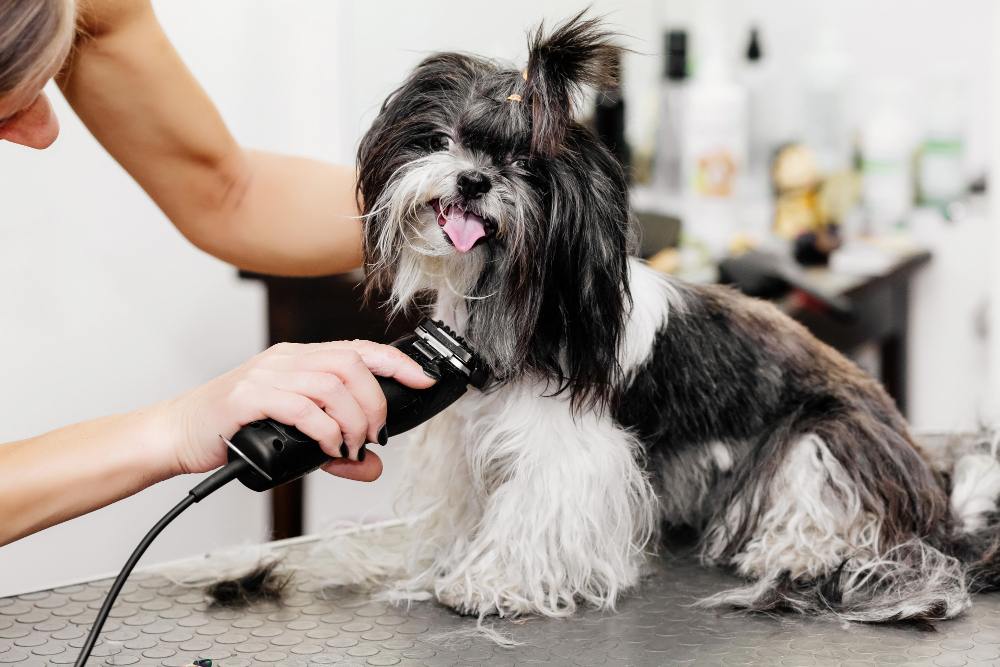
Long, silky coats flow away from the body with a fine, often glossy texture. Yorkshire Terriers, Shih Tzus, Lhasa Apsos, and Afghan Hounds have coats in this category. These coats don't shed the way double coats do, but they mat easily.
Curly and wavy coats are low-shedding but high-maintenance. Poodles have the classic curly coat; many Doodle crosses inherit some version of it. The curly texture traps loose hair within the coat rather than shedding it, which is why these dogs require frequent professional trimming to stay manageable.
Wire or rough coats have a coarser, stiffer texture. Scottish Terriers, Wire Fox Terriers, and Airedales are examples. These coats are often hand-stripped for show dogs but clipped for pet dogs.

Short-Coated Breeds
Dogs with short, smooth coats — Beagles, Boxers, Weimaraners, Boston Terriers, Miniature Pinschers, Vizslas, and similar — are the least intensive in terms of professional grooming needs. Their coats don't grow significantly beyond a certain length, don't mat, and maintain themselves fairly well with regular home brushing.
Professional grooming for these breeds is typically more about bathing, nail trimming, and ear cleaning than coat styling. A professional bath and brush, combined with nail and ear maintenance, every eight to twelve weeks is a common interval. Many owners of short-coated dogs handle the bathing themselves and only come in for nail trims, which is entirely reasonable.
It's worth noting that "doesn't need much grooming" and "can be ignored" are different things. Short-coated breeds still shed, still need nail maintenance, still benefit from ear cleaning and skin checks. The workload is lower, not absent.
Double-Coated Breeds
Golden Retrievers, Labrador Retrievers, German Shepherds, Siberian Huskies, Alaskan Malamutes, Bernese Mountain Dogs, Australian Shepherds, Shetland Sheepdogs, and many others fall into the double-coated category. These dogs have two distinct coat layers — a soft, dense undercoat and a longer outer guard coat — and they shed significantly, with seasonal blowouts twice a year when the undercoat releases en masse.
Professional de-shedding treatments are particularly effective for these breeds and can dramatically reduce the amount of fur distributed around the home. The treatment involves a specialized shampoo that loosens the undercoat, followed by thorough drying and raking to remove as much loose hair as possible before it sheds onto furniture and floors.
For most double-coated breeds, professional grooming every eight to twelve weeks is reasonable, with additional de-shedding appointments during seasonal coat blows — typically spring and fall. Regular brushing at home, two to three times per week, is important between visits.
One important note: double-coated breeds should generally not be shaved down, despite what is sometimes recommended as a way to help the dog stay cool in summer. The double coat actually provides insulation in both directions — against cold and against heat. Shaving can disrupt the coat's natural function and potentially damage the texture permanently in some dogs. A proper de-shedding treatment and regular brushing is a far better approach for temperature comfort.
Long-Coated Breeds
Yorkshire Terriers, Shih Tzus, Lhasa Apsos, Maltese, Silky Terriers, Afghan Hounds, and dogs with similar flowing coats require consistent grooming attention. The coat is typically kept at various lengths depending on the owner's preference — some keep their Shih Tzu in a full long coat, others prefer a shorter puppy trim. Either choice has different maintenance demands.
Long coats kept at full length need daily brushing and professional grooming every four to six weeks. The coat grows continuously and mats in high-friction areas: around the collar, behind the ears, under the front legs, and in the rear. Allowing more than six weeks between professional appointments often means the groomer is dealing with significant matting that extends appointment time and cost.
Shorter trims — keeping the coat at one to two inches — reduce the between-appointment maintenance burden considerably, though professional appointments are still needed every six to eight weeks to keep the trim tidy.
For breeds like the Maltese and Yorkshire Terrier, the face also requires regular attention. Hair around the eyes can cause eye irritation and staining if not trimmed or kept back. Many owners use small clips or ties to keep face hair clear of the eyes between grooming appointments.
Curly and Wavy-Coated Breeds
Standard Poodles, Miniature Poodles, Toy Poodles, Bichon Frises, Portuguese Water Dogs, and the wide variety of Doodle crosses — Labradoodles, Goldendoodles, Bernedoodles, Cavapoos, and others — have coats that require some of the most consistent professional grooming attention of any breed group.
The curly or wavy texture is largely non-shedding, which is part of its appeal. Instead of shedding onto furniture, the dead hair stays within the coat and must be combed out and eventually trimmed away. Without regular maintenance, the coat tightens into pelted mats that are often impossible to comb out and require complete shaving.
Most curly-coated dogs need professional grooming every four to eight weeks, depending on how short the coat is kept. Dogs kept in longer, more natural styles need appointments closer to every four weeks. Dogs kept in a shorter trim have a bit more flexibility — six to eight weeks is usually manageable if the owner is brushing regularly at home.
The critical home component for these breeds is consistent brushing. Brushing three to five times per week with a slicker brush, followed by a metal comb to confirm there are no mats near the skin, is what makes professional appointments manageable and what prevents the situation where the groomer has to deliver the difficult news that the coat needs to come off.
Doodle owners, in particular, often come to grooming with the expectation that Doodle coats are low-maintenance because they don't shed. The reality is that they can be more labor-intensive than many purebred dogs, precisely because the loose hair doesn't fall out — it stays in the coat and creates mats if not actively managed.
Wire-Coated and Rough Breeds
Wire Fox Terriers, Scottish Terriers, Cairn Terriers, Welsh Terriers, Airedales, Irish Terriers, and similar breeds have a coarser, rough-textured outer coat. In their traditional form, these coats are maintained through hand-stripping — a process of pulling dead hair from the coat by hand to preserve the texture and encourage new growth. Hand-stripped terrier coats have a different, harder texture than clipped coats.
Most pet dogs with wire coats are clipped rather than hand-stripped, which is simpler and less labor-intensive. The tradeoff is that the coat texture softens over time with clipping. For pet owners who aren't interested in the show ring, this is usually not a concern.
Clipped wire-coated breeds typically need professional grooming every six to eight weeks. The coats don't mat the way curly coats do, but the beard and leg furnishings on Terriers can accumulate food debris and can mat in those areas. Regular brushing and combing of the furnishings at home, combined with professional grooming on schedule, keeps these coats well-maintained.
Mixed Breeds and Coat Variability
Mixed breed dogs are the majority of dogs in American homes, and their coats are genuinely variable. A mixed breed that looks like a short-haired Lab mix might have a standard double coat with regular shedding. A fluffy mixed breed could have a texture closer to a Poodle, a Bichon, or something in between that doesn't follow the same rules as either.
The best approach with a mixed breed dog is to assess the coat characteristics directly: does it mat? Does it shed heavily? Does the texture feel fine and curly or coarse? A groomer can help you understand what the coat is doing and what maintenance schedule makes sense for that specific coat.
Other Factors That Affect Frequency
Beyond coat type, several other factors influence how often a dog benefits from grooming. Dogs that spend significant time outdoors — particularly in wooded or brushy environments — accumulate debris in their coats, more frequently develop mats from burrs and plant matter, and generally need grooming attention more often. Dogs that swim regularly may need more frequent bathing to address coat condition and skin health.
Health conditions can also affect grooming needs. A dog on a hormonal medication may have changes in coat growth rate or texture. A dog with certain skin conditions may need more frequent medicated baths. Older dogs may need more frequent ear and nail attention as their activity levels decrease.
What to Do at Home Between Visits
Professional grooming handles the intensive work. Home care maintains what the professional visit accomplishes. For most breeds, the key home care practices are regular brushing appropriate to the coat type, nail checks and trims when needed, ear wiping, and periodic baths.
For curly and long-coated breeds especially, the interval between professional appointments is almost entirely determined by how consistently the owner brushes at home. A Goldendoodle brushed thoroughly every other day can go eight weeks between professional appointments without matting. The same dog brushed once a week will often be in problematic coat condition by six weeks.
If you're unsure what your specific dog needs at home, ask your groomer at your next appointment. A good groomer will be happy to show you the tools and technique that makes the most difference for your dog's specific coat.
Frequently Asked Questions
My Labrador sheds constantly. Would professional grooming help?
Yes, significantly. A professional de-shedding treatment removes loose undercoat much more thoroughly than brushing at home can manage. The reduction in shedding is often noticeable for several weeks after treatment. Labs benefit from de-shedding two to four times per year depending on their shedding cycle.
I was told Doodles are low-maintenance because they don't shed. Is that true?
The "non-shedding" quality refers to the coat not dropping loose hair the way Labs or Retrievers do. The loose hair stays in the coat and must be combed out and eventually cut away. Without regular brushing and professional grooming, the coat mats heavily. Doodles are among the higher-maintenance coats in terms of grooming effort.
Can I shave my Husky in the summer to help him stay cool?
This is generally not recommended. The double coat actually provides insulation in both directions and protects against sunburn. A thorough de-shedding treatment, which removes the loose undercoat while leaving the coat structure intact, is a much better approach. Consult with your vet if you have concerns about heat tolerance in a double-coated dog.
How do I know if my dog's coat is matted?
Surface brushing doesn't always reveal mats near the skin. Use a metal comb — insert the teeth at the skin level and comb outward through the coat. Resistance that doesn't brush out easily indicates a mat. Areas to check include behind the ears, under the collar, in the armpits, between the back legs, and at the base of the tail.
What happens if I wait too long between appointments?
For breeds that require regular trimming, extended gaps typically mean more matting, which requires more work to address. Depending on severity, severely matted coats may need to be shaved down rather than combed out — a longer appointment, sometimes a higher cost, and a significant coat length reduction. Maintaining schedule is the best way to avoid this outcome.
Not Sure What Schedule Is Right for Your Dog?
We're happy to assess your dog's coat and recommend a grooming plan at your first appointment. Contact us in Marion, WI to get started.
Book an Appointment